

Exploring the Hidden Strengths in Vulnerability Through Rural Caregiving Experiences
Rural caregiving can be both challenging and rewarding. Caregivers in these communities often face specific obstacles, such as limited resources, reduced social support, and the emotional burden of caring for loved ones. However, in the midst of these challenges lies an inspiring journey that reveals hidden strengths within vulnerability. This blog post explores the stories of rural caregivers, highlighting their experiences, lessons learned, and the immense power found in their willingness to be vulnerable.
The Landscape of Rural Caregiving
Rural caregiving is shaped by geography, community, and personal relationships. Caregivers frequently juggle numerous responsibilities—caring for an elderly relative while managing their own family and work commitments. A staggering 60% of rural caregivers report feeling socially isolated due to limited access to healthcare facilities and support services. This isolation often leads to a strong sense of personal responsibility among caregivers.
This environment fosters resilience. For example, caregivers often form deep emotional ties with their community, drawing strength from shared experiences and collective challenges. Their stories reveal how vulnerability can become a source of strength instead of a sign of weakness.
Building Community Connections
The act of caregiving naturally connects individuals facing similar challenges. From local support groups to informal gatherings, caregivers share stories, advice, and laughter. These connections foster a sense of belonging and understanding that is crucial for coping with caregiving pressures.
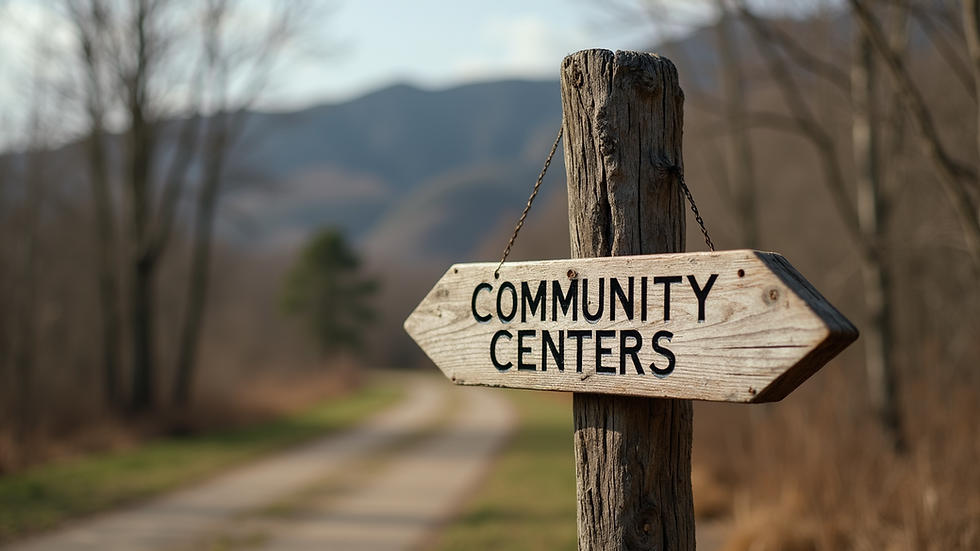
By coming together, caregivers create safe spaces to discuss fears, frustrations, and triumphs. For instance, caregivers often express how attending a weekly support group reduces their feelings of isolation by up to 70%. This solidarity reinforces the idea that it’s okay to ask for help and share one’s vulnerabilities. Recognizing shared struggles can lighten the emotional burden, making daily responsibilities easier to manage.
The Emotional Toll of Caregiving
Despite the community connections, caregiving can take an emotional toll. The weight of responsibility can create stress and feelings of inadequacy, especially in rural areas lacking in support systems. Numerous caregivers report worries about being burdensome to their loved ones or fear they aren't providing enough care.
Acknowledging this emotional strain is vital. Exploring and expressing these vulnerabilities is the first step toward healing and personal growth. For example, many caregivers who openly discuss their anxieties have discovered that they gain valuable insights and support, enhancing their emotional resilience.
Finding Strength in Vulnerability
Vulnerability often serves as a bridge to strength. When caregivers share their experiences, they grant others permission to do the same. This openness fosters deeper emotional connections and creates a supportive environment for all involved. By sharing personal stories—whether through conversations or local gatherings—rural caregivers can embrace their journeys.
Moreover, vulnerability paves the way for personal growth. Many caregivers express liberation when they stop presenting a brave front. This realization leads to increased empathy—for themselves and others. Instead of viewing vulnerability as a flaw, they begin to see it as a strength that enhances resilience and compassion.
Stories of Resilience
The experiences of rural caregivers are rich with stories highlighting the resilience that emerges from vulnerability. For instance, one caregiver initially felt overwhelmed when diagnosed with a chronic illness while caring for a spouse. By sharing their journey with a local support group, they discovered that many others faced similar challenges, resulting in new friendships and support networks.
Another caregiver shared that expressing concerns about managing their child’s health needs opened up important dialogues with healthcare providers. This communication led to improved support and guidance, enhancing their ability to care for their child effectively, ultimately increasing their caregiving confidence.

These stories highlight that vulnerability in caregiving is a source of strength. When caregivers lean on their communities and accept help, they can create positive outcomes for themselves and their loved ones.
Practical Strategies for Cultivating Strength in Vulnerability
Connect with Others: Find local support groups or online platforms. Sharing experiences reduces feelings of isolation and strengthens community ties.
Practice Self-Care: Accept your feelings and carve out personal time. Small acts of self-care can significantly boost emotional resilience.
Reflecting on Our Strengths
The stories of rural caregivers reveal a powerful lesson about the hidden strengths found in vulnerability. Navigating their unique challenges enables caregivers to forge connections that enrich their and their loved ones' lives. By viewing vulnerability as an essential aspect of caregiving rather than a flaw, they empower themselves and others.
As caregivers share their experiences and build supportive communities, they illuminate paths for those on similar journeys. Recognizing and valuing vulnerabilities not only strengthens individual caregivers but also inspires a culture of sharing and resilience.
Let’s continue to connect and embrace our vulnerabilities, together weaving a stronger tapestry of resilience in the heart of rural caregiving.


Comments